

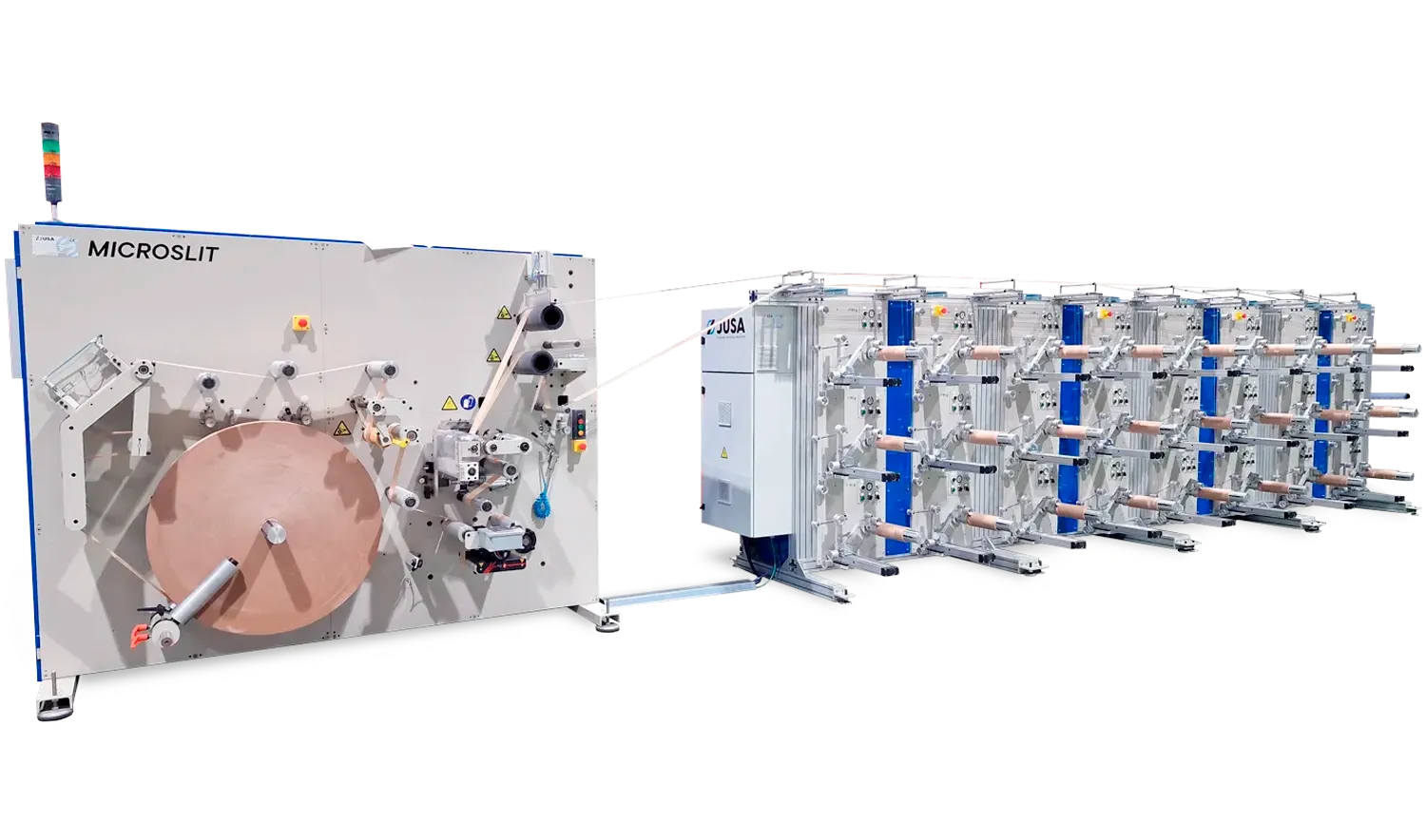

Choosing the right slitter rewinder is a decision that directly affects productivity, the quality of the processed material and the efficiency of the entire production line.
Every converting process has different requirements. Selecting the right machine therefore involves analysing factors such as the type of material, production volume and the required level of precision.
Why Choosing the Right Slitter Rewinder Is Important
Slitter rewinders are essential pieces of equipment for converting materials supplied in rolls. An unsuitable choice can cause quality issues, material waste, production bottlenecks or limitations on future growth.
By contrast, a machine adapted to the actual production requirements makes it possible to optimise resources, improve productivity and ensure a higher-quality finished product.
Key Factors to Consider Before Choosing a Slitter Rewinder
Type of Material
The material to be processed determines many of the machine’s characteristics.
Processing paper is not the same as working with plastic film, aluminium or other technical materials. Each material requires specific cutting, tension-control and rewinding settings to achieve the best results.
Production Volume
Production capacity is another key factor.
Companies with moderate production volumes may choose semi-automatic solutions, while high-output industrial facilities usually require fully automated systems capable of maintaining high speeds without compromising quality.
Required Precision
In certain industries, even small variations in the cut can cause problems during subsequent processes.
It is therefore essential to assess the tolerances required by the application and select a machine capable of consistently delivering the necessary precision.
Integration with Other Equipment
A slitter rewinder forms part of a wider production line. Its integration with other systems is essential to ensure an efficient workflow.
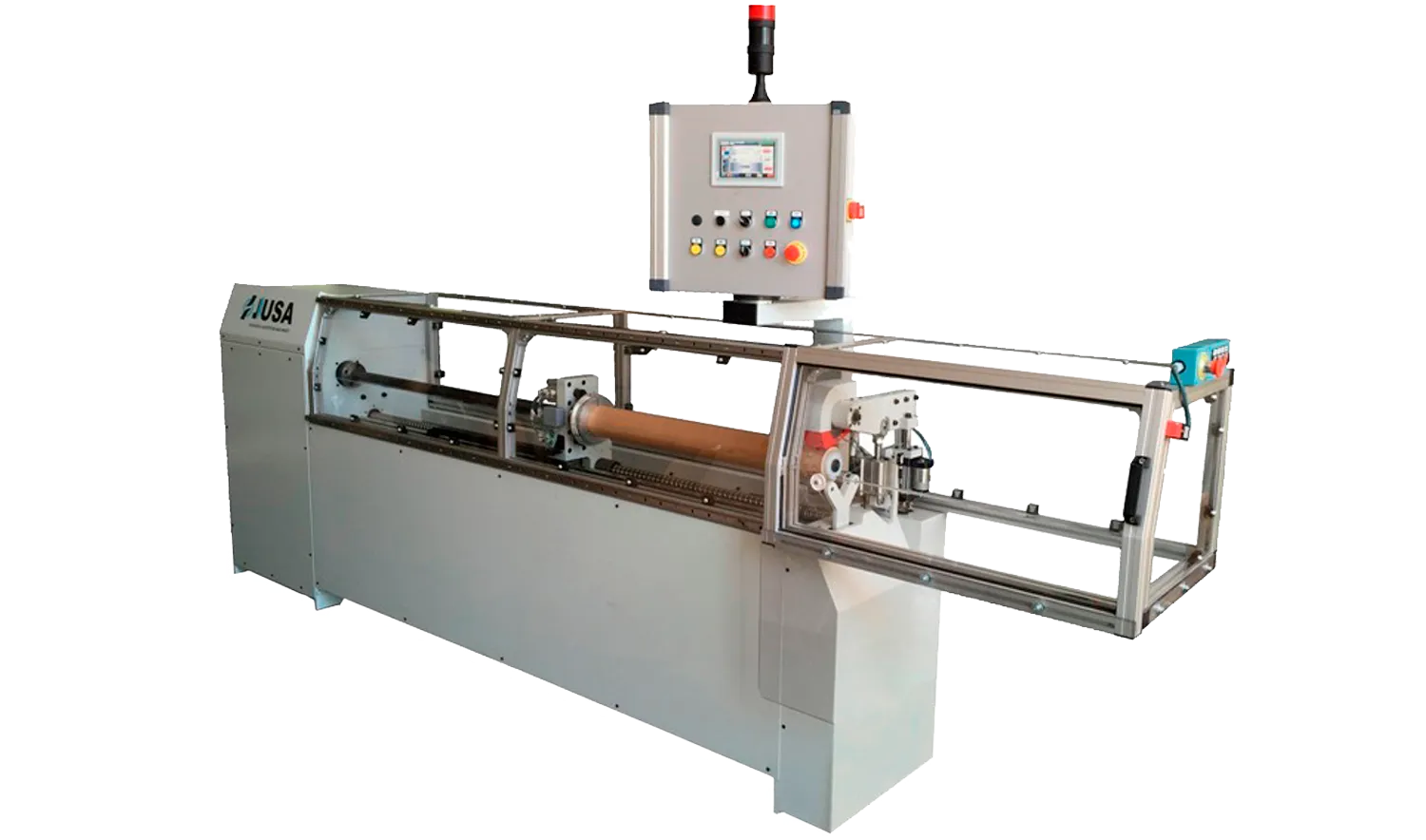
In many cases, these installations operate alongside core cutters and other specialised equipment for converting web-fed materials.
What Type of Slitter Rewinder Does Each Company Need?
The choice will depend on a combination of different production factors.
Companies handling small production runs generally prioritise flexibility and ease of configuration. Industrial environments with higher production demands, on the other hand, require solutions capable of maximising performance and minimising downtime.
To determine the most suitable solution, many organisations use industrial consulting services to analyse their processes and optimise the investment.
Common Mistakes When Choosing a Slitter Rewinder
Before purchasing a new machine, it is advisable to avoid several common mistakes:
- Choosing a solution based only on price.
- Failing to consider the characteristics of the material.
- Selecting more production capacity than is actually required.
- Ignoring future growth requirements.
- Failing to assess integration with the rest of the production line.
A thorough preliminary analysis helps reduce risks and improve the return on investment.
The Importance of Maintenance and Continuous Optimisation
The productivity of a slitter rewinder does not depend solely on its technical specifications. Preventive maintenance and the correct configuration of operating parameters are essential to ensure consistent performance.
Having access to a specialised industrial maintenance service helps extend the lifespan of the equipment and minimise issues that could affect production.
Choosing the right slitter rewinder is a strategic decision that should respond to the actual requirements of each production process and support the company’s future growth.
FAQs
What Factors Should Be Considered When Choosing a Slitter Rewinder?
When choosing a slitter rewinder, it is important to analyse the type of material, production volume, required precision, tension-control system and integration with the rest of the production line.
What Materials Can a Slitter Rewinder Process?
A slitter rewinder can process materials such as paper, cardboard, plastic film, aluminium, multilayer laminates and technical materials, provided that the machine is configured for the characteristics of each material.
When Is an Automatic Slitter Rewinder Recommended?
An automatic slitter rewinder is recommended for industrial processes with high production volumes, a need for consistent precision and the objective of reducing downtime or manual intervention.
Why Is Slitter Rewinder Maintenance Important?
Maintenance helps preserve cutting precision, reduce breakdowns, prevent production stoppages and extend the machine’s service life, ensuring stable performance over time.