What Is a Core Cutter and What Is It Used for in Industry?

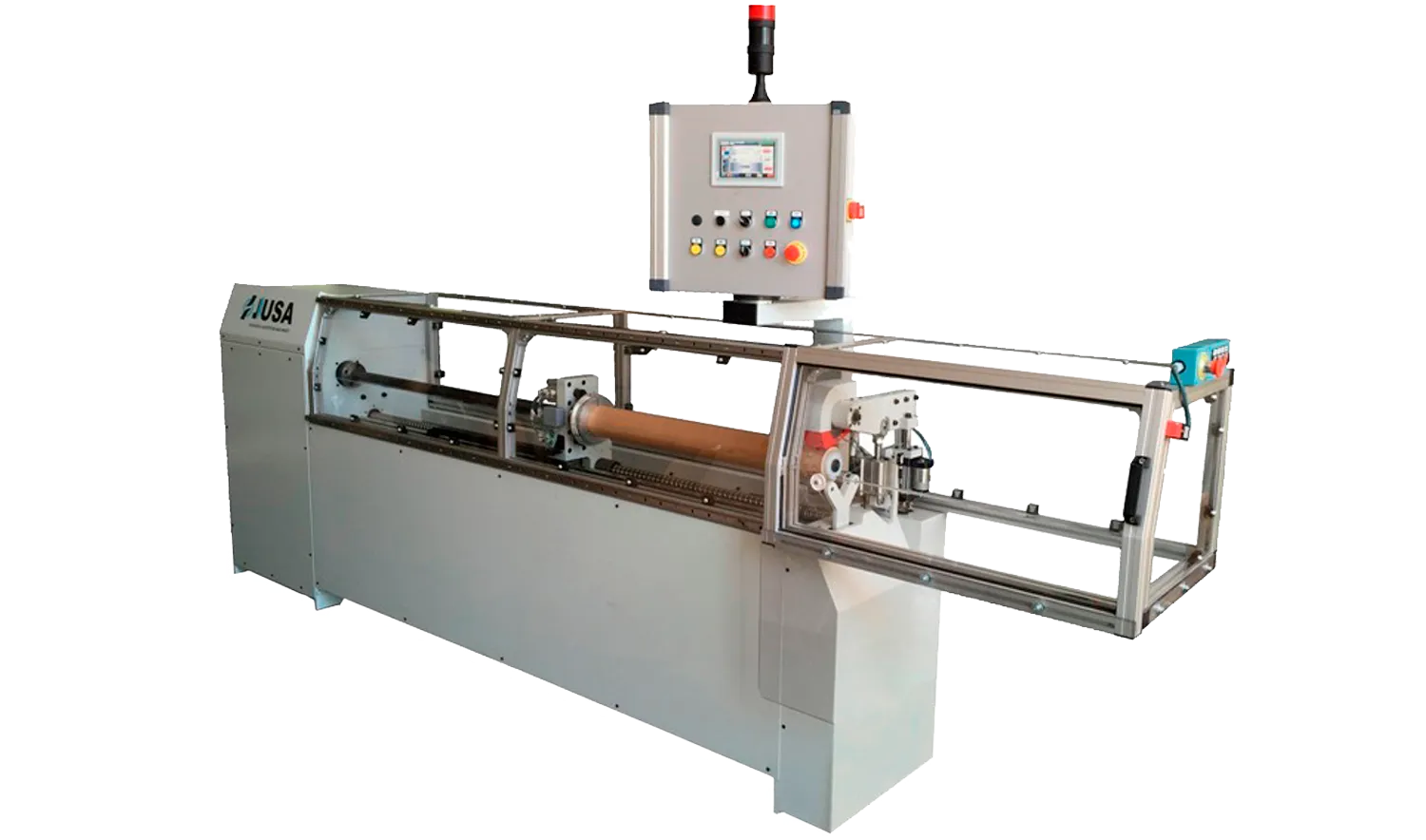
Core cutters are essential pieces of equipment in industrial processes involving web-fed materials. Their main function is to cut cardboard tubes or similar materials accurately to produce the cores later used in unwinding and rewinding processes.

Although they are often less visible within a production line, they play a key role in industries that process materials such as paper, plastic film, aluminium or technical textiles.

What Is a Core Cutter?

A core cutter is a machine designed to cut tubes of different diameters and thicknesses into specific lengths according to production requirements.

These tubes, known as cores, act as the support onto which processed materials are subsequently wound. The quality and accuracy of the cut are essential to ensure stable winding and prevent problems during later stages of the process.

Core cutters are commonly used by companies specialising in converting and the processing of web-fed materials.

What Are Cores Used for in Industry?

Cores are essential components in many industrial processes. Their function is to provide a solid structure onto which continuous materials can be wound during manufacturing, storage or transportation.

They are commonly used with materials such as:

  • Paper and cardboard.
  • Plastic film.
  • Aluminium.
  • Laminates.
  • Technical textiles.

Correct core preparation has a direct impact on the quality of the finished rolls and the overall efficiency of the production process.

How Does a Core Cutter Work?

A core cutter operates through a simple but highly accurate process.

First, the tube is inserted into the machine and positioned according to the required length. The cutting system then produces the programmed sections using blades specifically designed for this type of material.

Once the cutting process has been completed, the cores are ready to be incorporated into winding and converting operations.

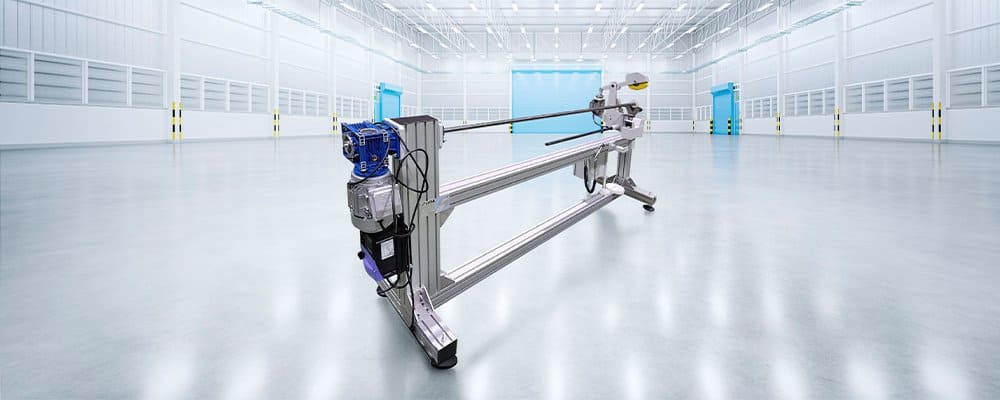
In higher-capacity production lines, these machines often work together with automatic loading systems and automatic finished-ring handling systems to maximise production output.

Types of Core Cutters

Different solutions are available depending on production requirements.

Manual machines are generally used for small production runs or occasional jobs, while semi-automatic equipment increases productivity while still allowing a certain degree of operator control.

Automatic core cutters, on the other hand, are designed for industrial environments requiring high operating speeds, maximum accuracy and consistent, repeatable cuts.

The choice will depend on the production volume, core dimensions and the specific requirements of each process.

Advantages of Using a Core Cutter

Integrating this type of machinery provides significant production benefits:

  • Greater cutting accuracy.
  • Reduced errors and material waste.
  • Increased productivity.
  • Adaptability to different formats and diameters.
  • Improved quality in subsequent winding processes.

In addition, having access to industrial consulting services makes it possible to identify the most suitable configuration for optimising the performance of each production line.

A Key Component in Converting Processes

Core cutters are essential equipment for any industry working with web-fed materials. Their ability to provide accurate and uniform cuts directly contributes to improving roll quality and the efficiency of subsequent processes.

Selecting the right machine and maintaining the correct configuration helps optimise resources, reduce production issues and improve the competitiveness of the entire operation.

FAQs

What Is the Function of a Core Cutter?

A core cutter is used to cut cardboard tubes or similar materials into specific lengths, producing the cores that will subsequently be used in winding and rewinding processes.

Why Are Cores Important in Industrial Processes?

Cores act as a support for winding materials such as paper, plastic film, aluminium, laminates or technical textiles. Their quality directly affects roll stability and the efficiency of the production process.

What Types of Core Cutters Are Available?

Manual, semi-automatic and automatic core cutters are available. The most suitable option depends on the production volume, the required level of accuracy and the characteristics of the tubes to be cut.

In Which Industries Are Core Cutters Used?

Core cutters are used in industries such as converting, flexible packaging, printing, paper and cardboard, plastics, aluminium, technical textiles and the manufacture of web-fed materials.
The transformation of reel-fed materials in industrial processes

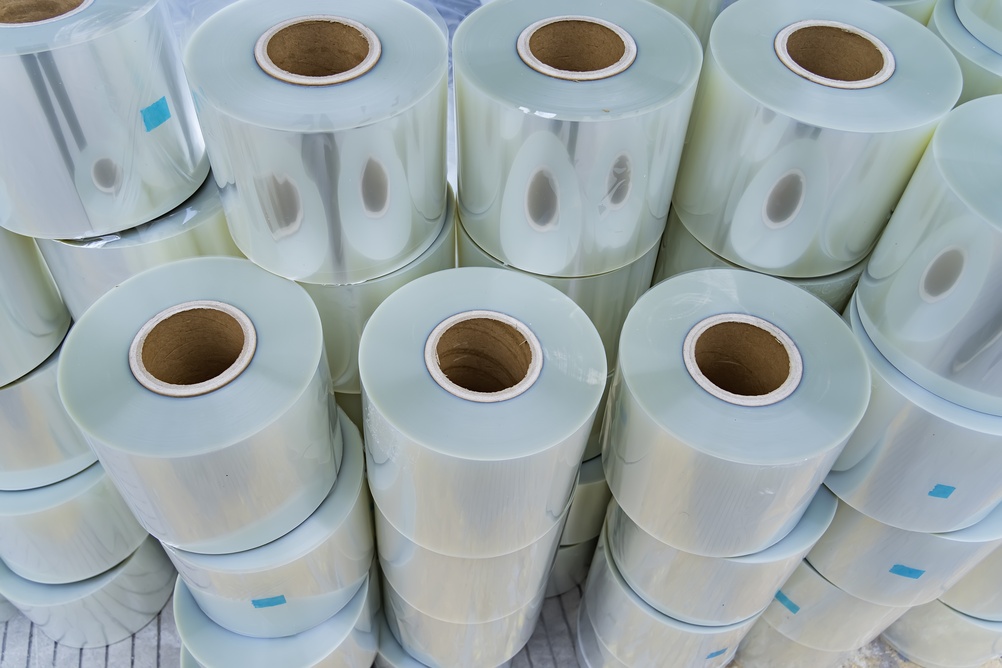
The transformation of reel-fed materials is a fundamental stage in numerous industrial processes. Sectors such as flexible packaging, the graphic arts industry, label manufacturing and the production of technical materials depend on equipment capable of adapting, cutting and rewinding materials with precision.

Before becoming packaging, labels, wrapping materials or final products, materials such as paper, plastic film or aluminium must go through different transformation processes that ensure the right format and characteristics for each application.

What is the transformation of reel-fed materials?

The transformation of reel-fed materials, also known as converting, covers the set of industrial processes aimed at modifying continuous materials to adapt them to specific production needs.

These operations may include:

  • Longitudinal cutting.
  • Rewinding.
  • Lamination.
  • Perforation.
  • Format adaptation.
  • Preparation for subsequent processes.

The objective is to optimise the material and prepare it for use in different industrial applications.

The importance of converting in industry

Converting processes make it possible to transform large reels of material into formats suitable for each production line.

Thanks to these systems, it is possible to improve operational efficiency, reduce waste and guarantee higher quality in final products.

In addition, proper material transformation facilitates later stages such as printing, die-cutting, lamination or packaging.

Many companies rely on industrial consulting services to optimise these processes and improve the performance of their production lines.

Equipment used in material transformation

The converting industry uses different types of machinery depending on the characteristics of the material and the needs of each production process.

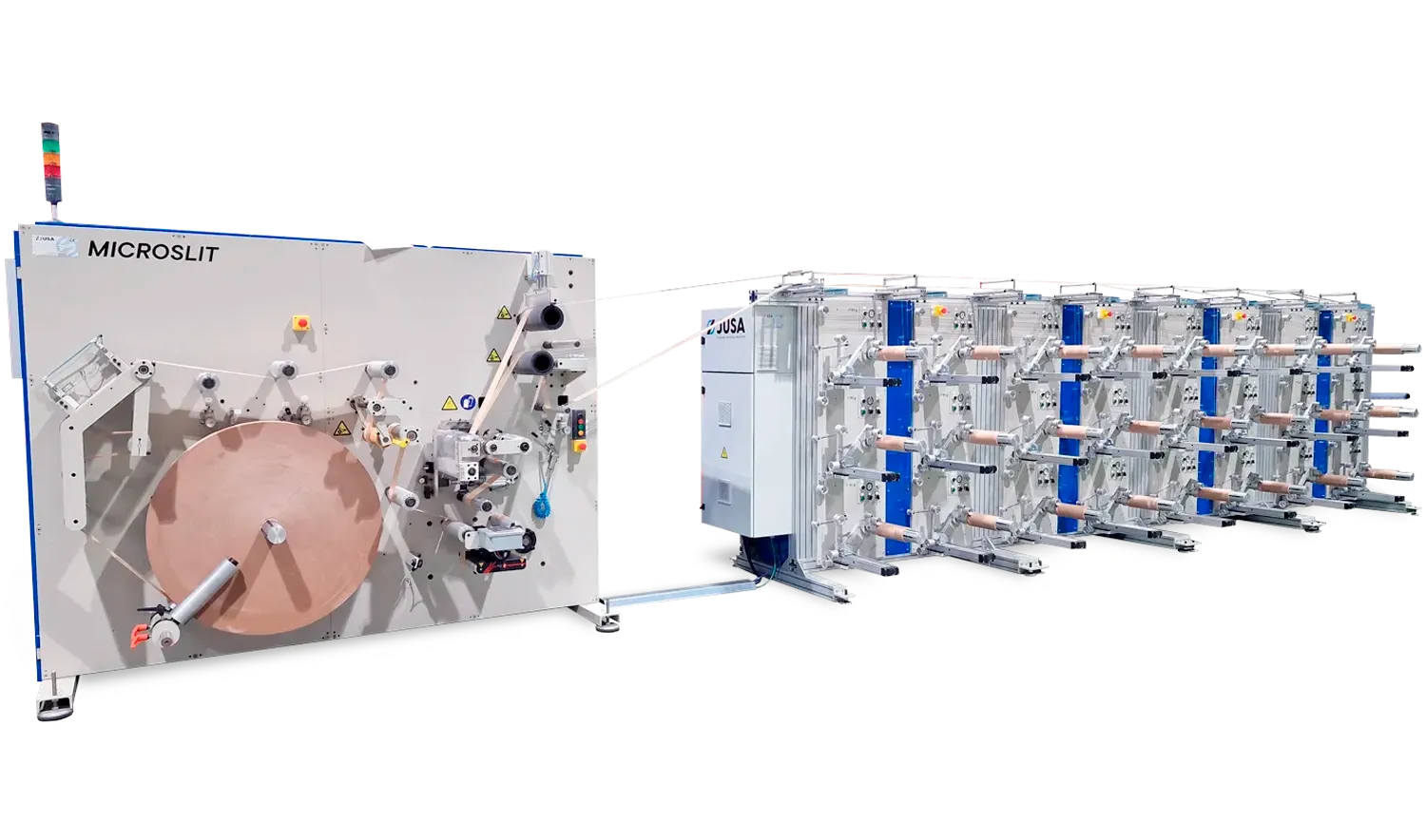
Among the most common types of equipment are slitter rewinders, which are responsible for adapting materials to different widths and formats while maintaining rewinding quality.

Core cutters are also frequently used to prepare the cores that will later serve as supports for winding the processed materials.

The combination of this equipment makes it possible to configure efficient production lines adapted to different industrial sectors.

Innovation and efficiency in transformation processes

Technological evolution has significantly improved the performance of converting lines.

Current systems incorporate advanced tension controls, real-time monitoring and solutions designed to maximise precision throughout the entire process.

In addition, aspects such as sustainability and the efficient use of materials have become increasingly important within the sector. Reducing waste and optimising resource consumption has become a priority for many industrial companies.

A key sector for multiple industries

The transformation of reel-fed materials is an essential activity for numerous production sectors. Without these processes, it would be impossible to adapt materials such as paper, plastic film or aluminium to the specific needs of each application.

Investing in suitable machinery and continuously optimising processes helps improve productivity, increase the quality of the final product and strengthen the competitiveness of industrial companies.

What is a slitter rewinder machine and what is it used for in industry?

Slitter rewinders are essential machines in the processing of materials supplied in reels. Their main function is to adapt materials such as paper, cardboard, plastic film, aluminium or laminates into specific formats for subsequent use in different industrial processes.

This type of machinery plays a key role in the converting industry, as it helps optimise material use, improve productivity and ensure the quality of the final product.

What is a slitter rewinder?

A slitter rewinder is a machine designed to unwind a master roll, perform longitudinal cuts according to the required measurements and then rewind the material into new, smaller reels.

This process makes it possible to adapt the width and format of the material to the production needs of each company.

Slitter rewinders are commonly used in sectors that work with flexible materials, where cutting precision is essential to guarantee the quality of the final product.

What are slitter rewinders used for?

Slitter rewinders are used to transform materials supplied in reels and prepare them for later processes such as printing, lamination, die-cutting, packaging or the manufacture of industrial products.

Their main functions include:

  • Adapting materials to specific formats.
  • Optimising the use of raw materials.
  • Reducing waste during production.
  • Improving the efficiency of converting lines.

Materials that can be processed

These machines can work with a wide variety of materials, including:

  • Paper and cardboard.
  • Plastic film.
  • Aluminium.
  • Multilayer laminates.
  • Technical materials.

Each material requires specific cutting, tension and rewinding settings to ensure optimal results.

The importance of tension control

One of the most important factors in the operation of a slitter rewinder is tension control.

Incorrect tension can cause defects such as wrinkles, lateral displacement or deformation in the reels. For this reason, it is essential to have equipment correctly configured and adjusted to each application.

In many cases, production lines are complemented with auxiliary equipment that helps optimise material control throughout the entire process.

Advantages for industrial processes

The incorporation of a slitter rewinder provides significant production benefits:

  • Greater cutting precision.
  • Reduction of waste.
  • Optimisation of production times.
  • Adaptation to different formats and materials.
  • Increased productivity.

In addition, having access to industrial consulting services makes it possible to identify the most suitable configuration for each process and maximise the performance of the installation.

An essential machine in the converting industry

Slitter rewinders are a key element in the transformation processes of materials supplied in reels. Their ability to adapt formats, optimise resources and guarantee the quality of the final product makes them an essential solution for many industries.

Choosing the right technology and maintaining the correct equipment configuration helps improve the efficiency of the entire production line and achieve more competitive results.

We Will Be Exhibiting at EXPO PACK México 2026

At JUSA Converting, we are pleased to announce that we will be exhibiting at EXPO PACK México 2026, the most important event in Latin America for the packaging and processing industry.

If you are planning to attend, we recommend registering in advance to access the exhibition and make the most of your visit. It is a unique opportunity to discover innovation, build connections, and find real solutions for your business.

You will find us at booth 1154, where we will showcase our solutions and technologies designed to optimize production processes and deliver value to our clients.

What is EXPO PACK México and why is it so relevant?

EXPO PACK México 2026 is much more than a trade show; it is the main meeting point for the entire packaging and processing value chain in Latin America.

During the event, manufacturers, brands, engineers, production managers, and executives come together with a common goal: to discover, evaluate, and implement solutions that improve efficiency, sustainability, and competitiveness.

It is a space where innovation comes to life. Attendees can experience:

  • Equipment operating in real time
  • Automation solutions applied to real processes
  • New packaging materials and technologies
  • Labeling, converting, and processing systems

In addition, the exhibition acts as a benchmark for the industry, highlighting key trends such as digitalization, sustainability, energy efficiency, and cost optimization.

An environment designed to generate opportunities

One of the greatest strengths of EXPO PACK México 2026 is the quality of its visitors. Thousands of professionals and decision-makers attend each year in search of concrete solutions for their businesses.

This makes the event a highly productive environment where:

  • New business opportunities are created
  • Strategic partnerships are established
  • Knowledge and trends are shared
  • Real market needs are identified

An international showcase of innovation

More than 700 exhibitors from Latin America, the United States, Europe, and Asia will participate in this edition, presenting their latest innovations in machinery, automation, materials, and labeling solutions.

For us, being part of this global environment represents a great opportunity to connect with professionals from around the world and demonstrate how our solutions can help address the current challenges of the industry.

We look forward to welcoming you at our booth

We will be delighted to welcome you at booth 1154, where you can explore our technologies up close, speak with our team, and discover new ways to optimize your production processes.

JUSA ADVANCED CONVERTING MACHINERY participates in ICE EUROPE 2022 MUNICH

Positive balance of our participation in ICE EUROPE 15-17th March 2022.

We presented one of our SLITTER REWINDERS Model SR-3. Machine with a high production capacity with speeds up to 600m/min and great versatility due to the wide range of materials it can process, from flexible materials such as PE mono to rigid materials such as paper. Machine designed to meet the slitting and rewinding needs of growing markets as well as the more traditional ones.

New contacts and new projects on the way!

We are ready for the ICE EUROPE 2022 Exhibition

The Best technologies, best slitting and rewinding solutions, and definetely the Best professionals will be at the stand 1938, Hall 5 of ICE Europe 2022 waiting for create the Best projects for you.
Every two years, ICE Europe, the world’s leading exhibition for the conversion of flexible, web-based materials, such as paper, film, foil and nonwovens, offers a central marketplace for the international converting industry. At ICE Europe, suppliers of machinery, systems, materials and accessories meet with international industry experts who are looking for bespoke product and processing solutions and have specific investment plans.