


The transformation of reel-fed materials is a fundamental stage in numerous industrial processes. Sectors such as flexible packaging, the graphic arts industry, label manufacturing and the production of technical materials depend on equipment capable of adapting, cutting and rewinding materials with precision.
Before becoming packaging, labels, wrapping materials or final products, materials such as paper, plastic film or aluminium must go through different transformation processes that ensure the right format and characteristics for each application.
What is the transformation of reel-fed materials?
The transformation of reel-fed materials, also known as converting, covers the set of industrial processes aimed at modifying continuous materials to adapt them to specific production needs.
These operations may include:
- Longitudinal cutting.
- Rewinding.
- Lamination.
- Perforation.
- Format adaptation.
- Preparation for subsequent processes.
The objective is to optimise the material and prepare it for use in different industrial applications.
The importance of converting in industry
Converting processes make it possible to transform large reels of material into formats suitable for each production line.
Thanks to these systems, it is possible to improve operational efficiency, reduce waste and guarantee higher quality in final products.
In addition, proper material transformation facilitates later stages such as printing, die-cutting, lamination or packaging.
Many companies rely on industrial consulting services to optimise these processes and improve the performance of their production lines.
Equipment used in material transformation
The converting industry uses different types of machinery depending on the characteristics of the material and the needs of each production process.
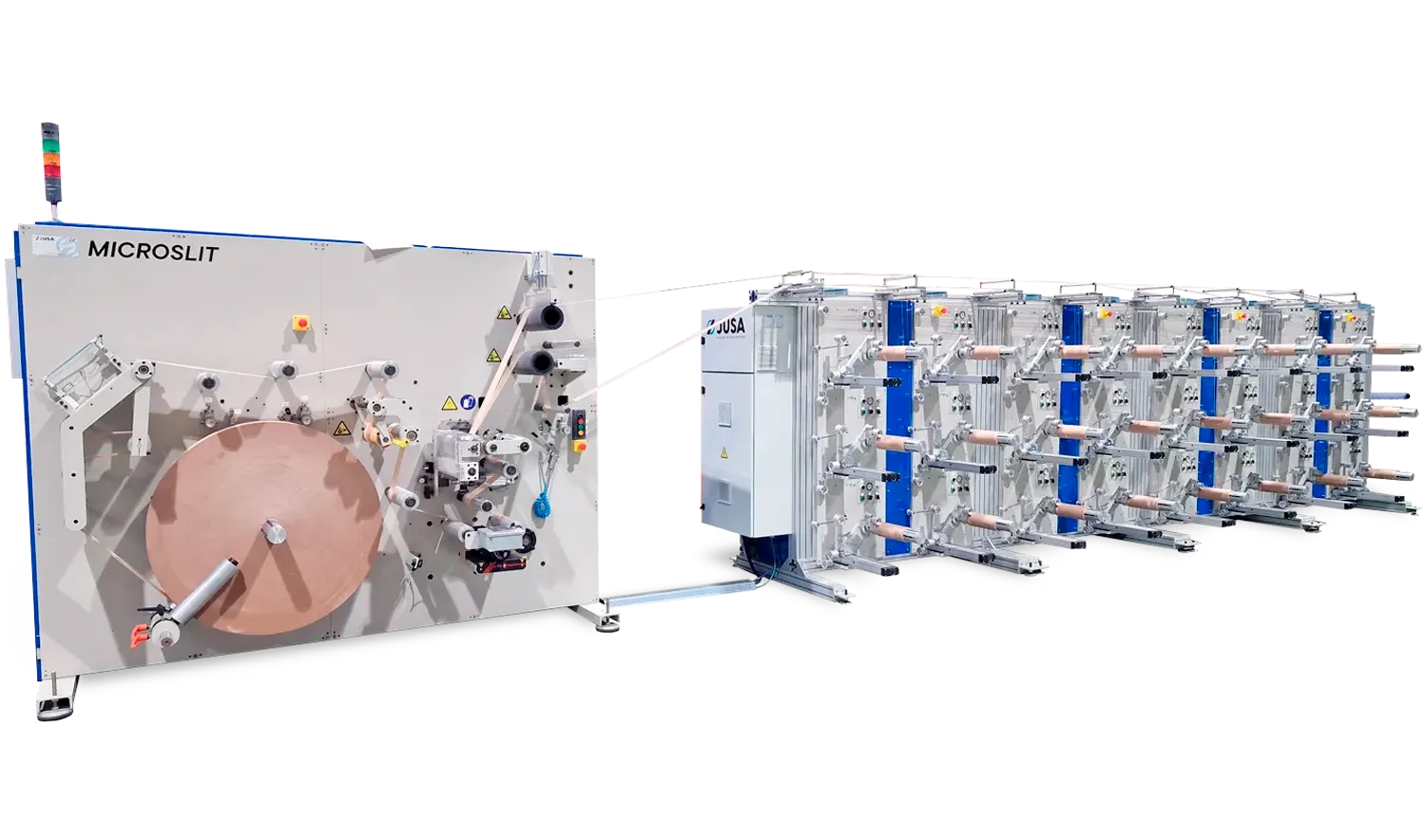
Among the most common types of equipment are slitter rewinders, which are responsible for adapting materials to different widths and formats while maintaining rewinding quality.
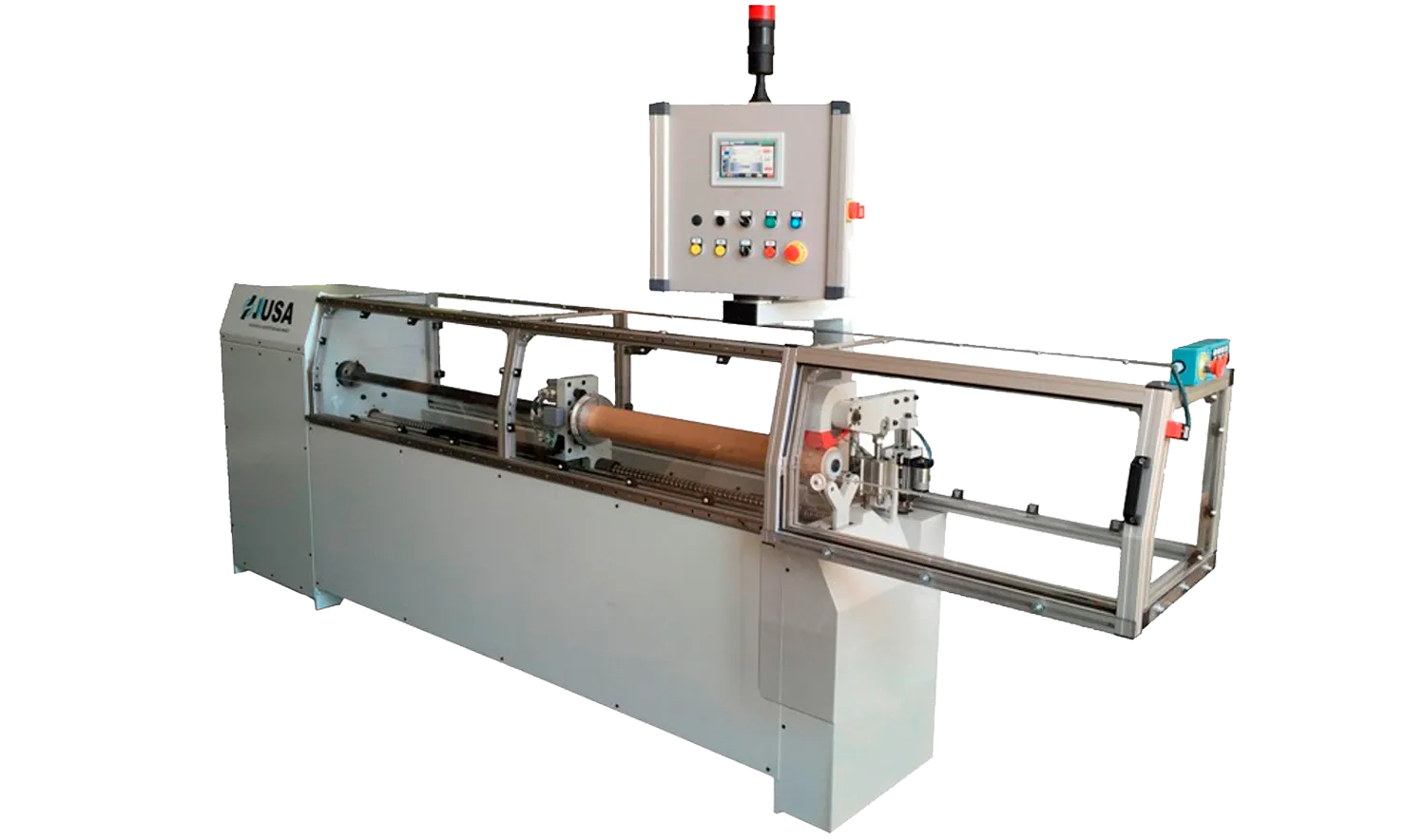
Core cutters are also frequently used to prepare the cores that will later serve as supports for winding the processed materials.
The combination of this equipment makes it possible to configure efficient production lines adapted to different industrial sectors.
Innovation and efficiency in transformation processes
Technological evolution has significantly improved the performance of converting lines.
Current systems incorporate advanced tension controls, real-time monitoring and solutions designed to maximise precision throughout the entire process.
In addition, aspects such as sustainability and the efficient use of materials have become increasingly important within the sector. Reducing waste and optimising resource consumption has become a priority for many industrial companies.
A key sector for multiple industries
The transformation of reel-fed materials is an essential activity for numerous production sectors. Without these processes, it would be impossible to adapt materials such as paper, plastic film or aluminium to the specific needs of each application.
Investing in suitable machinery and continuously optimising processes helps improve productivity, increase the quality of the final product and strengthen the competitiveness of industrial companies.